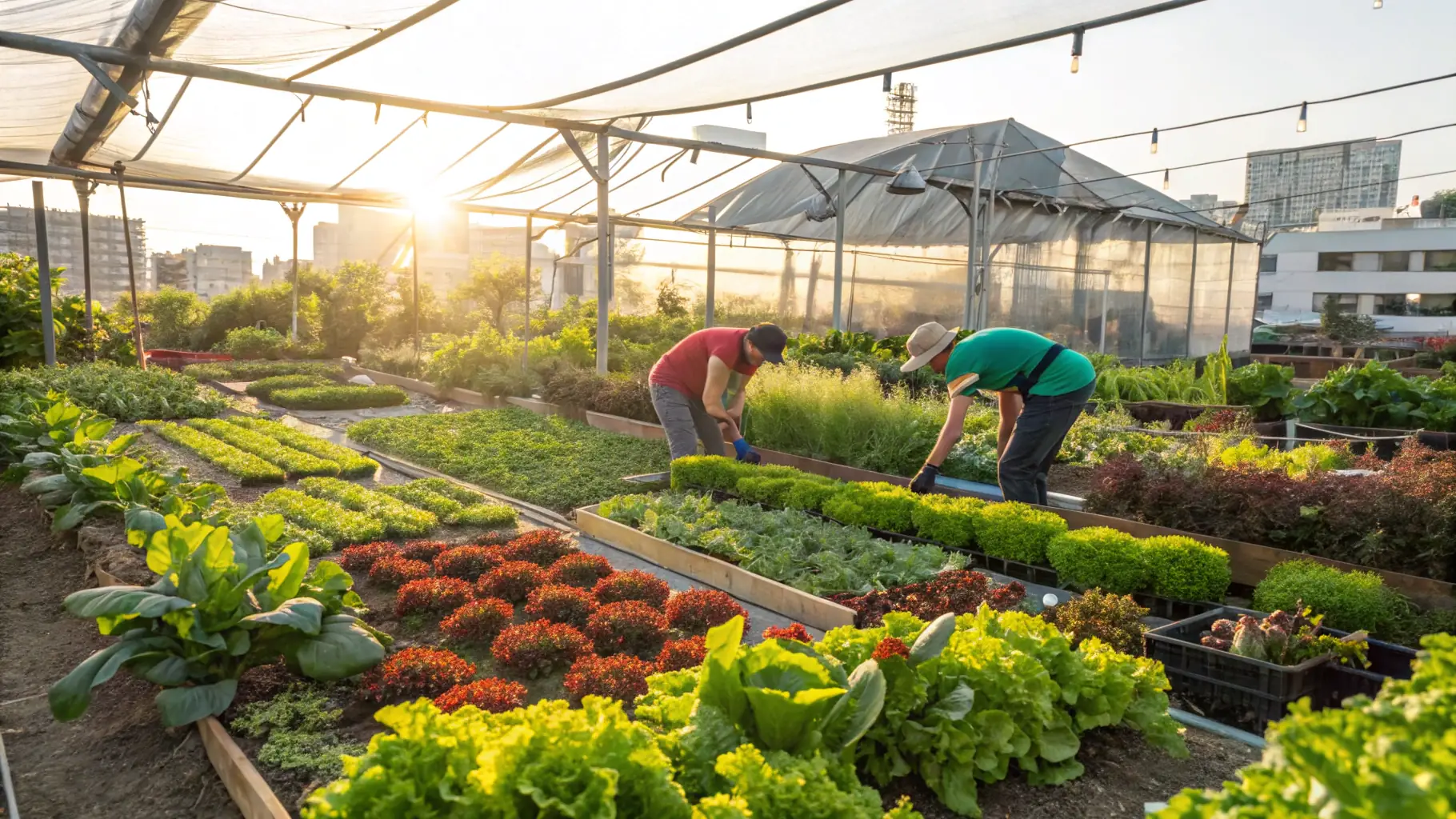
Shade houses are crucial for protecting crops from harsh weather conditions and pests. Proper design is essential for maximizing crop yields and minimizing losses. Careful consideration of factors like sunlight exposure, ventilation, and material selection is key to creating a productive environment. This article will explore the key elements of effective shade house design. Choosing the right shade material is critical. Different materials offer varying levels of shade and protection from UV rays. Consider the specific needs of your crops when selecting the appropriate material. Proper ventilation is also important to prevent overheating and humidity buildup. Adequate airflow is crucial for maintaining optimal growing conditions. Finally, consider the overall structure of the shade house. A sturdy and well-constructed frame is essential for long-term durability and stability. Proper anchoring and support systems are vital to withstand strong winds and other weather events. By carefully considering these factors, you can create a shade house that maximizes crop yields and protects your investment.
Site Preparation for Optimal Crop Growth
Learn about the importance of proper site preparation for establishing healthy and productive crops.